Sundowning (often referred to in the medical community as sundown syndrome) is not a disease in itself, but rather a group of symptoms that occur at...

What is Sundowning and Why Does Sundowning Happen?
read more

Sundowning (often referred to in the medical community as sundown syndrome) is not a disease in itself, but rather a group of symptoms that occur at...

Being a caregiver for a spouse, parent, or other family member is an incredibly complex situation, causing many different emotions to rise up,...
Can you use FMLA leave to care for a precious family member with dementia? Here are some resources that can help achieve better care for your loved ones.
If a parent, spouse or other family member was recently diagnosed with dementia, you and your family are probably grappling with a lot of intense feelings. The emotional impact of a dementia diagnosis, paired with the vast amount of information out there might leave you feeling overwhelmed, confused and wondering “What’s the next step?”
Becoming a family caregiver for someone with dementia is a big life change. If someone in your life has become a family caregiver, here are 10 ways you can support them during this transition.
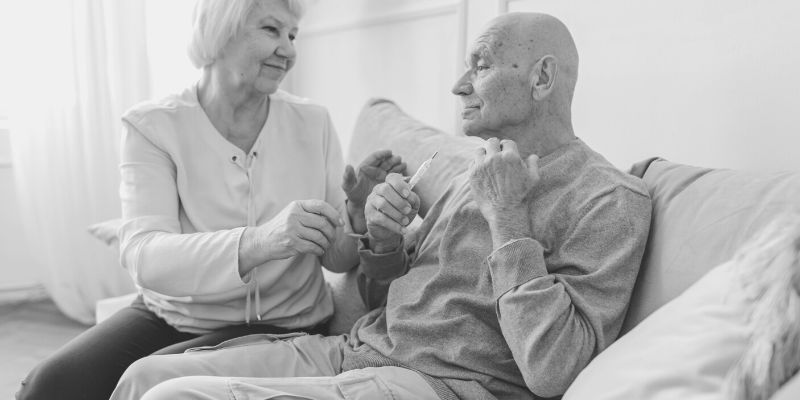
Caring for a parent, spouse or another family member with dementia isn’t always easy, and it’s even more complicated if your loved one is living with both dementia and another chronic illness, like cancer or diabetes. How do you manage it all – the practical day-to-day things, as well as the emotional impacts of a situation like this? And where can you find help here in the Round Rock, Texas area?
Dementia that begins earlier in life is rare, but it does happen. Early-onset dementia can start as early as 30, but usually happens around age 50. Because it starts so much earlier in life, early-onset dementia comes with some unique challenges for individuals, as well as their families.
Dementia can cause several types of cognitive problems, but memory loss is the most common. If your parent’s been diagnosed with dementia, they may remember a lot of things in the early stages, but will forget things about themself and others as the disease progresses – including the fact that they have dementia.